Common Types of Tarmac Damage Folkestone
When correctly laid, tarmac and asphalt surfaces can provide decades of dependable performance; nevertheless, small problems such as insufficient edging in key areas, diesel spills, or inadequate compaction can lead to dips, irregular surfaces, and degradation of your driveway in Folkestone.
Before beginning any repair work in Folkestone, our tarmac contractors assess the root cause of the damage. The most common issues we address include:
- Surface cracks caused by weather exposure or ground movement
- Potholes created by water infiltration and freeze-thaw cycles
- Edge deterioration where the tarmac meets grass or gravel
- Sunken areas resulting from poor sub-base or excessive loading
- Surface ravelling where the bitumen binding material has degraded
How We Repair The Tarmac / Asphalt
Initial Assessment
Our approach starts with a comprehensive inspection of the damaged area to determine whether a patch repair is sufficient or if resurfacing a larger section is required. Individual defects can usually be patched successfully, while widespread cracking or multiple potholes typically indicate that complete resurfacing offers the more economical long-term solution.
Preparation Work
Comprehensive preparation forms the cornerstone of any lasting repair. We employ a disc cutter to remove the damaged section, producing clean, vertical edges. This guarantees the repair material bonds correctly rather than simply resting on top of compromised tarmac. When dealing with potholes, we remove all loose material and examine the subbase underneath. If the subbase has failed, we excavate deeper and compact fresh stone before laying any tarmac.
Applying the Repair Material
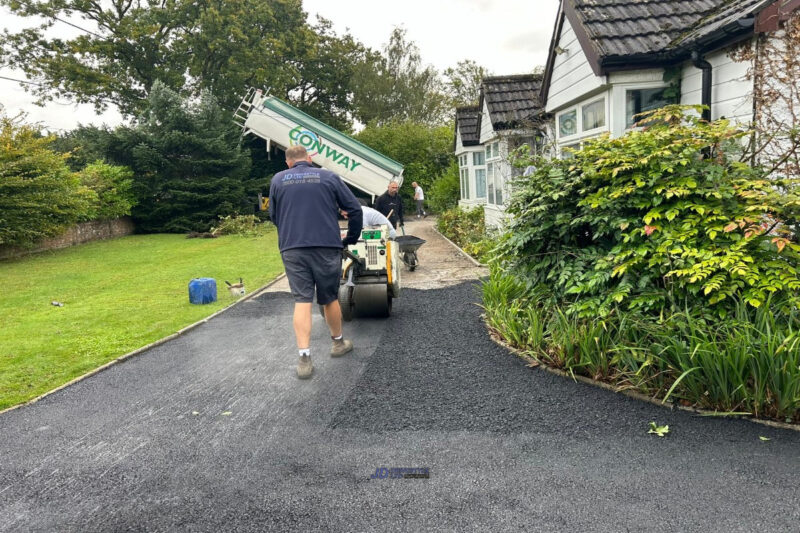
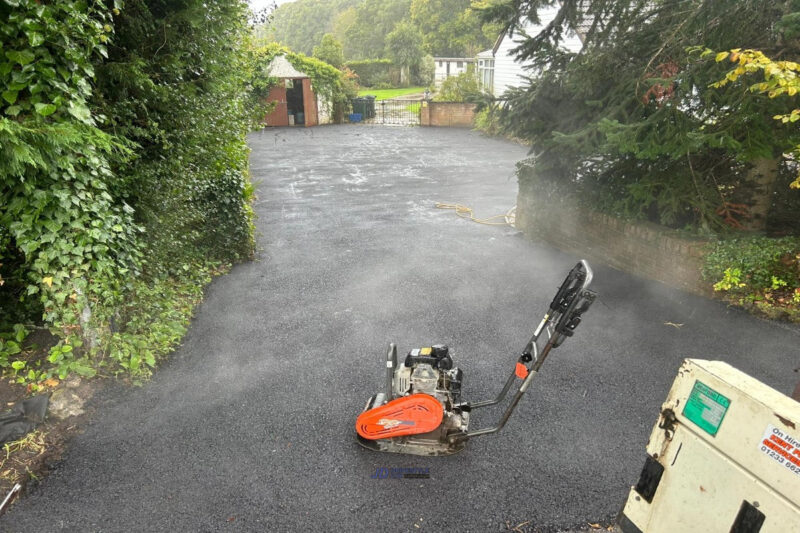
For most repairs, we use hot bitumen tarmac owing to its superior bonding characteristics compared to cold-lay options. The repair area receives a tack coat of bitumen emulsion to improve adhesion between the new material and the existing surface. We then lay the tarmac in layers, ensuring complete compaction of each layer using a vibrating plate or roller, depending on the repair size.
Finishing and Compaction
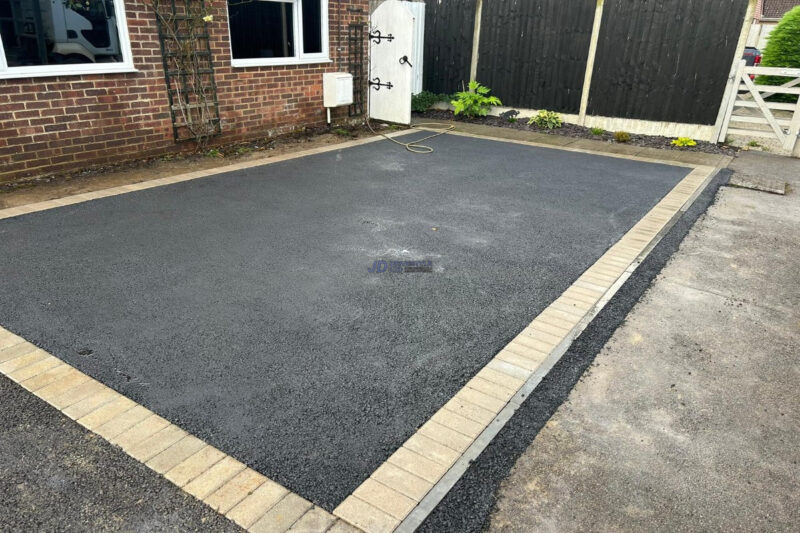
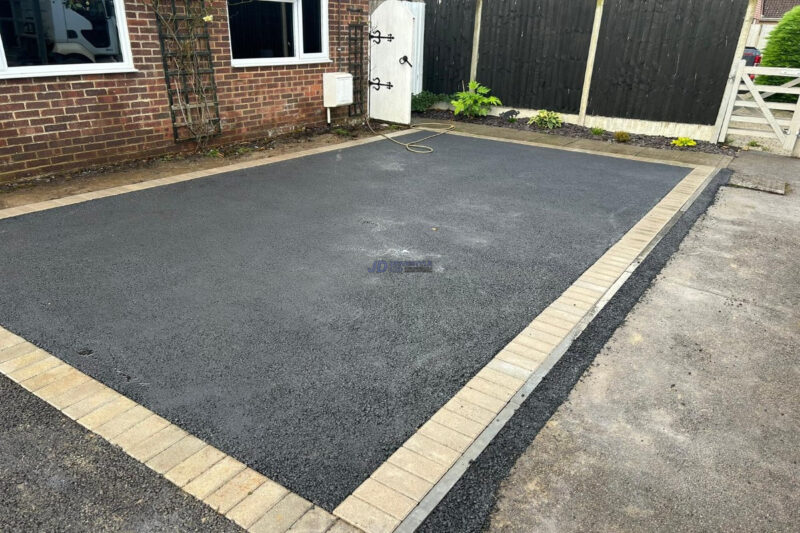
The final surface is rolled to match the level and finish of the surrounding area. We deliberately overfill the repair slightly, allowing for material settlement during compaction. Particular attention is paid to the edges—proper compaction at these points is essential to prevent future deterioration.
When to Consider Full Resurfacing
If your tarmac shows multiple damaged areas or the surface is over 15-20 years old, repairing individual spots may prove uneconomical. At Driveways Folkestone, we offer honest assessments regarding whether repairs provide genuine value or if resurfacing the entire area represents the better solution.
For advice on tarmac repairs in Folkestone, contact us at 01303 475028.